

Services We Offer
-
Acne, a common skin condition, occurs when hair follicles become clogged with oil and dead skin cells. It often results in pimples, blackheads, or whiteheads, and can affect people of all ages. Effective treatments are available to manage and minimize its impact on skin health.
-
Cold sores, also known as fever blisters, are small, painful blisters that typically appear on or around the lips, nose, or mouth. They are caused by the herpes simplex virus (HSV) and are highly contagious. Cold sores usually begin with tingling, itching, or burning sensations before the blisters appear, which can then break open and crust over. While there is no cure for cold sores, antiviral medications can help reduce the severity and duration of outbreaks. Over-the-counter creams and ointments may also provide symptom relief. Dermatologists can offer specialized treatments, including prescription antiviral medications, to manage severe or recurrent outbreaks and provide guidance on preventive measures and skincare routines tailored to minimize the frequency and impact of cold sores.
-
Eczema, also known as atopic dermatitis, is a chronic skin condition characterized by red, itchy, and inflamed patches of skin. It can affect people of all ages and often has triggers such as allergens, irritants, and stress. While there is no cure for eczema, treatments such as moisturizers, topical corticosteroids, and lifestyle adjustments can help manage symptoms and improve skin health.
-
Hair loss, also known as alopecia, can occur for various reasons, including genetics, hormonal changes, medical conditions, medications, or stress. It can affect the scalp or other parts of the body, leading to thinning hair or bald patches. While some hair loss is temporary and reversible, such as that caused by stress or certain medications, other types, like pattern baldness, may be permanent. Treatment options for hair loss include medications, topical treatments, hair transplants, and lifestyle changes. Consulting with a dermatologist or healthcare provider can help determine the underlying cause and develop a personalized treatment plan. Learn more about scalp PRP for hair loss.
-
Hyperhidrosis is a medical condition characterized by excessive sweating beyond what is necessary for regulating body temperature. It can affect various parts of the body, such as the underarms, palms, feet, and face, and often occurs regardless of environmental factors or emotional state. Hyperhidrosis can significantly impact daily life, causing discomfort, embarrassment, and social anxiety. Treatment options for hyperhidrosis include prescription antiperspirants, medications, botulinum toxin injections, iontophoresis, and in severe cases, surgery. Consulting with a healthcare professional can help determine the best treatment approach for managing excessive sweating and improving quality of life.
-
Hyperpigmentation refers to darkening of patches on the skin, typically caused by excess melanin production. It can be triggered by sun exposure, hormonal changes, or skin injuries. Treatments such as topical creams, chemical peels, and laser therapy can help reduce the appearance of hyperpigmentation and restore an even skin tone.
-
Keloids are raised, overgrown scars that can develop after skin injuries, such as cuts, burns, or surgical incisions. Unlike normal scars, keloids extend beyond the original wound site and can be itchy, tender, or even painful. They are more common in individuals with darker skin tones and can occur anywhere on the body. Treatment options for keloids include corticosteroid injections, silicone gel or sheets, cryotherapy, laser therapy, and surgical removal. However, keloids may recur even after treatment, so close monitoring and follow-up care are essential.
-
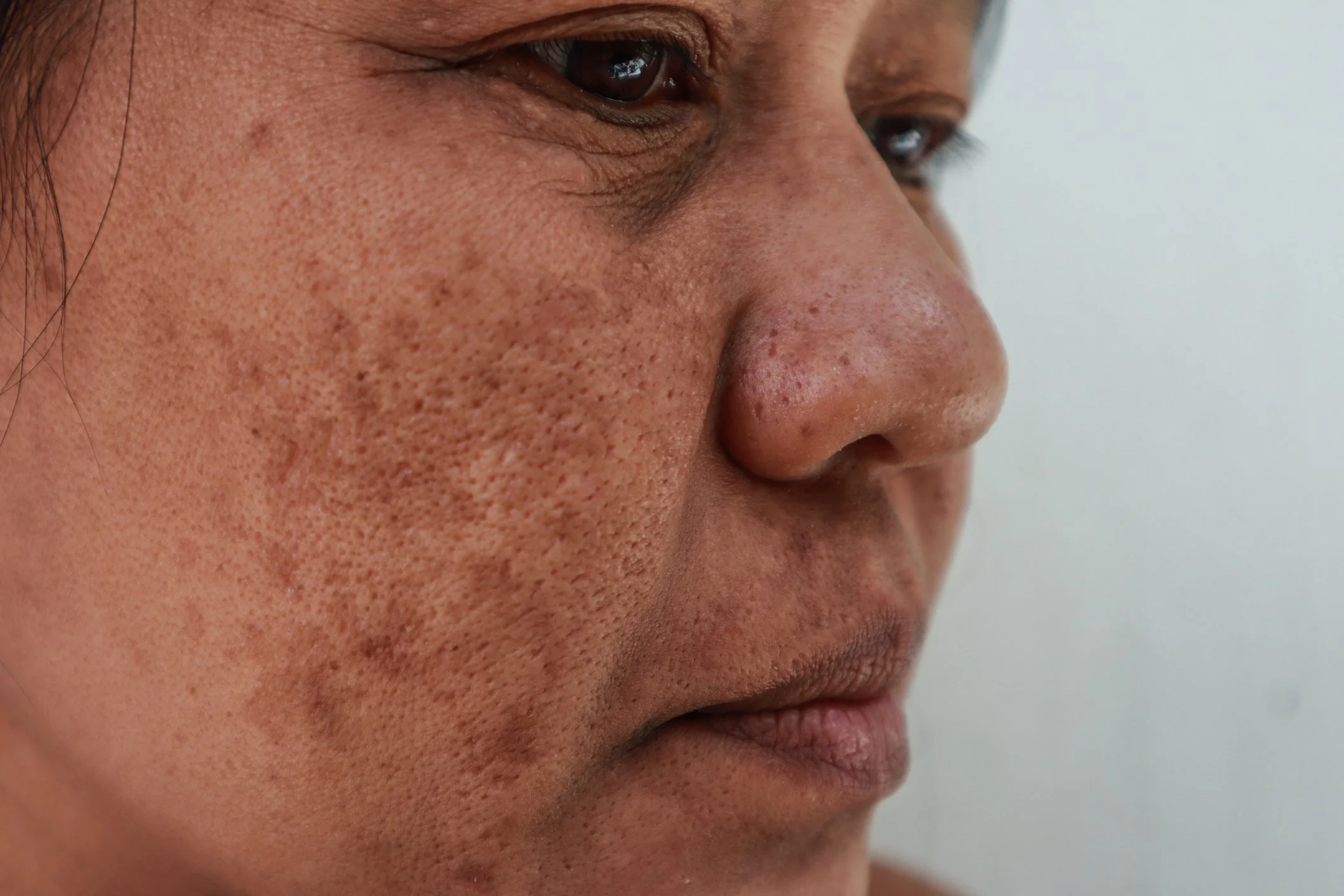
Melasma is a common skin condition characterized by brown or gray patches on the face, particularly on the cheeks, forehead, bridge of the nose, and upper lip. It is often triggered by hormonal changes, sun exposure, and genetic predisposition. While melasma is not harmful, it can be distressing cosmetically. Treatment options include topical medications, chemical peels, and laser therapy to help reduce the appearance of pigmentation and restore an even skin tone. Learn more about melasma treatment.
-
Benign moles and skin growths are common and typically harmless skin conditions. Moles are small, pigmented spots on the skin that can vary in color, shape, and size. Most moles are benign, but changes in size, shape, color, or texture should be monitored closely as they could indicate skin cancer. Other benign skin growths include skin tags, which are small, soft, flesh-colored growths that often occur in areas of friction, and seborrheic keratoses, which are noncancerous growths that appear as waxy, stuck-on lesions. While benign moles and skin growths usually don't require treatment, it's essential to consult a dermatologist for evaluation and to rule out any potential health concerns. While benign moles and skin growths usually don’t require treatment, if they become bothersome or cosmetically undesirable, dermatologists can provide various treatment options, including removal procedures. Learn more about cosmetic removal of benign growths.
-
Nail diseases encompass a range of conditions that affect the health and appearance of the nails. These conditions can include fungal infections, psoriasis, eczema, trauma-related injuries, and systemic diseases. Symptoms may manifest as changes in nail color, texture, thickness, or shape, along with pain, inflammation, or nail detachment. Diagnosis and treatment of nail diseases often require a comprehensive evaluation by a dermatologist. Treatment options may include topical or oral medications, nail surgery, laser therapy, or lifestyle modifications to promote nail health. Early intervention and proper management are essential for preventing complications and restoring nail function and appearance.
-
Rashes are a common skin condition characterized by changes in skin color, texture, or appearance. They can manifest as red, itchy, swollen, or blistered areas and may be caused by various factors, including allergies, infections, irritants, or underlying health conditions. Rashes can occur anywhere on the body and range from mild to severe. Treatment options depend on the cause of the rash and may include topical medications, oral antihistamines, soothing lotions, or prescription drugs. Proper diagnosis by a healthcare professional is important for effective management and relief from discomfort.
-
Rosacea is a chronic skin condition characterized by facial redness, visible blood vessels, and sometimes, acne-like bumps. It often affects the cheeks, nose, chin, and forehead, and can be triggered by various factors including sun exposure, spicy foods, alcohol, and stress. While there is no cure for rosacea, treatments such as topical medications, oral antibiotics, and laser therapy can effectively manage symptoms and minimize flare-ups. Learn more about rosacea and redness treatment.
-
Skin cancer is the abnormal growth of skin cells, typically caused by exposure to ultraviolet (UV) radiation from the sun or tanning beds. The most common types of skin cancer include basal cell carcinoma, squamous cell carcinoma, and melanoma. Basal cell carcinoma often appears as a pearly or waxy bump, while squamous cell carcinoma may manifest as a firm, red nodule or a flat sore with a scaly crust. Melanoma, the most serious type of skin cancer, can develop from existing moles or appear as new pigmented growths with irregular borders and uneven coloring. Early detection and treatment are crucial for successful outcomes. Regular skin checks, sun protection measures, and prompt medical attention for suspicious lesions are important for preventing and managing skin cancer.
-
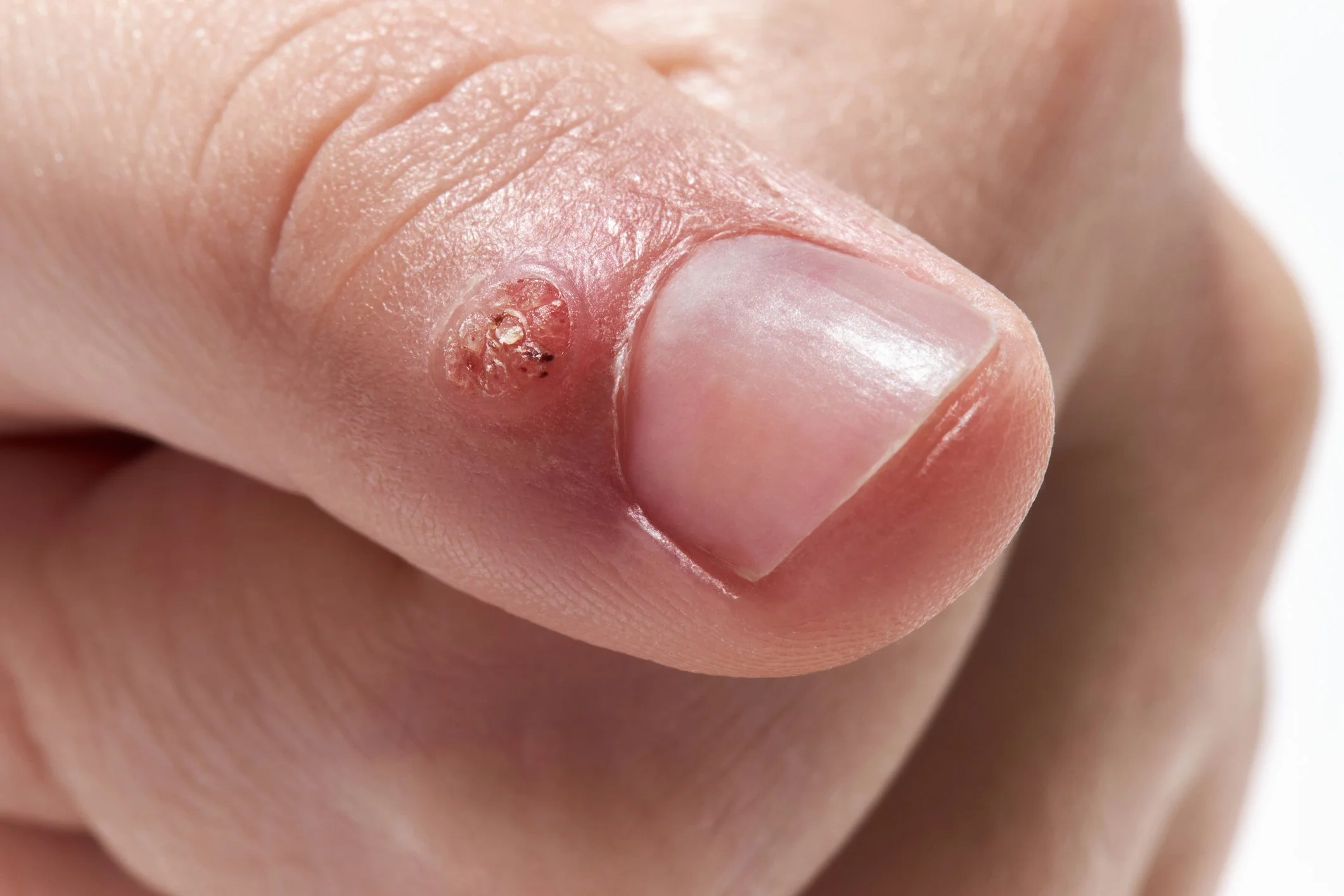
Warts are small, rough growths on the skin caused by the human papillomavirus (HPV). They can appear anywhere on the body but are most common on the hands, fingers, feet, and face. Warts are usually harmless but can be unsightly or uncomfortable, especially if they develop on areas of friction. Treatment options for warts include over-the-counter medications, cryotherapy (freezing), laser therapy, and surgical removal. However, warts may recur, and some strains of HPV are highly contagious, so precautions should be taken to prevent spreading.
Common Dermatologic Conditions

Surgical
-
Experience advanced dermatologic care at our clinic, offering specialized excision procedures for the effective removal of skin cancers, promoting your skin's health and well-being.
-
Explore our specialized excision techniques for removing lipomas at our dermatology clinic, ensuring precise and efficient treatment for your comfort and peace of mind.
-
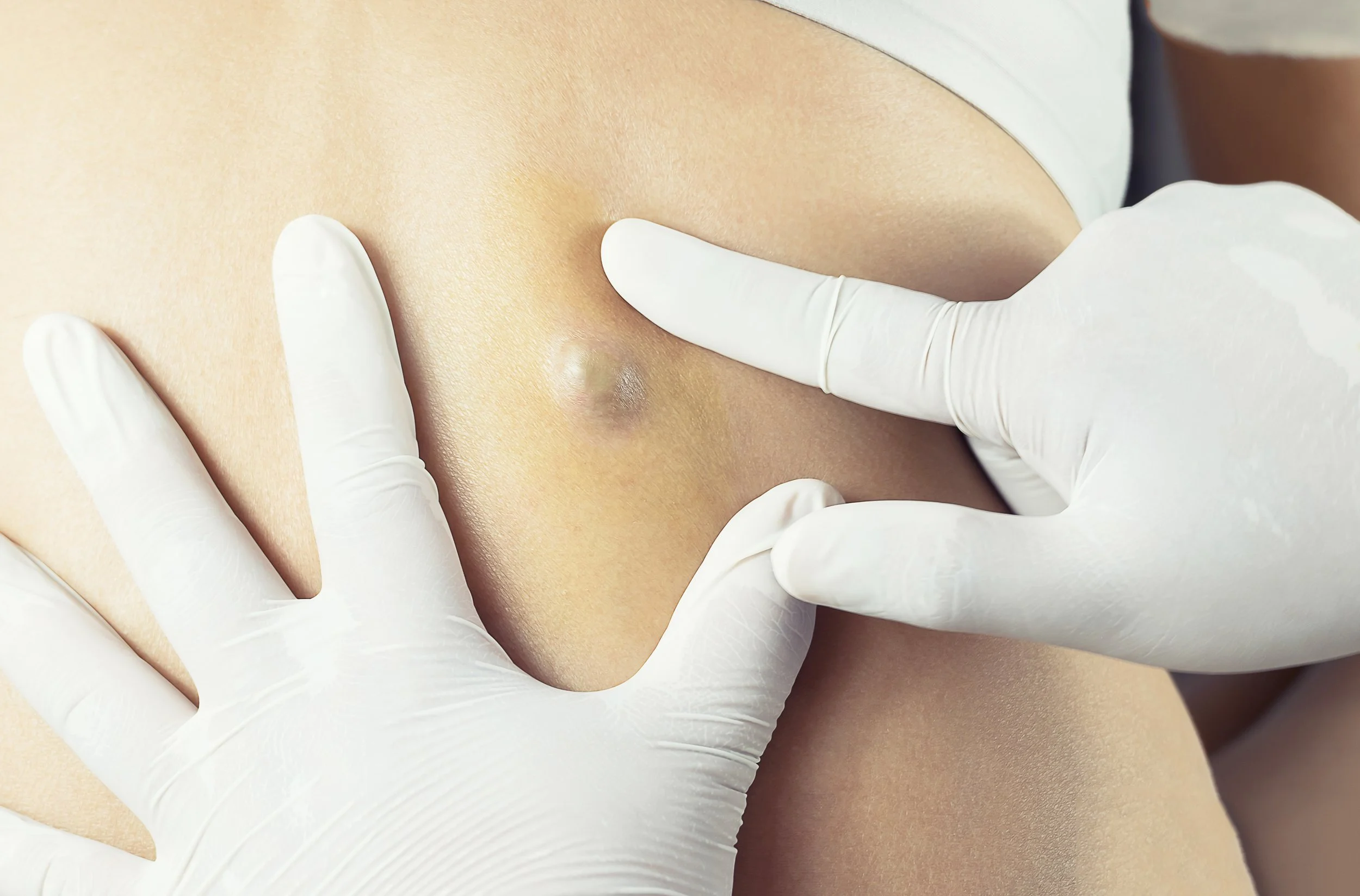
Discover our comprehensive approach to cyst removal at our dermatology clinic, where we utilize advanced excision methods to ensure thorough treatment and optimal skin health for our patients.
-
Experience our personalized approach to removing benign lesions at our dermatology clinic, where we employ careful excision techniques tailored to your individual needs, promoting skin health and aesthetics.

Explore our full range of cosmetic dermatology services, each administered personally by board-certified dermatologist Dr. Lina Kennedy.